How to Choose the Best Reseller Hosting Plan for Your Business
Choosing the best reseller hosting plan is an important step toward building a reliable and profitable hosting business. This comprehensive guide explains how to evaluate server performance, storage, bandwidth, account limits, control panels, security, technical support, pricing, and scalability to select a reseller hosting solution that meets your business requirements and supports long-term growth.

Starting a web hosting business has become an attractive opportunity for freelancers, web developers, digital marketing agencies, IT service providers, and entrepreneurs who want to generate recurring revenue without investing in expensive server infrastructure. Reseller hosting makes this possible by allowing individuals and businesses to purchase hosting resources from an established hosting provider and distribute those resources among their own customers. Instead of purchasing physical servers, maintaining complex networking equipment, or hiring a dedicated infrastructure management team, a hosting reseller can concentrate on developing hosting packages, attracting customers, managing accounts, and delivering quality customer service. However, choosing the best reseller hosting plan requires careful consideration because not every hosting package offers the same combination of performance, flexibility, security, technical support, and business management features. A package that appears affordable at first may have limitations that become expensive as your customer base grows. Similarly, a feature-rich hosting package may not provide good value if your business does not need most of its available resources.
Understanding your requirements before making a purchasing decision can help you avoid unnecessary expenses and establish a stronger foundation for your hosting business. For example, a freelance web developer who manages ten small business websites may need a different reseller hosting solution from a digital agency that manages fifty e-commerce websites. The developer may prioritize affordable pricing, simple account management, and reliable backups, while the agency may require greater processing power, higher storage capacity, advanced security features, and flexible resource allocation. These differences demonstrate why selecting a hosting package based only on its advertised price is not an effective long-term strategy. You should also consider how easily the hosting environment allows you to create separate customer accounts, manage hosting packages, monitor resource consumption, configure domain names, and handle common technical issues. Features such as WHM, cPanel reseller account management, white-label branding, SSL certificates, automated backups, and billing system compatibility can make everyday business operations more efficient when they are available.
However, these features vary between hosting providers, and you should always confirm what is included before purchasing a package. Another important consideration is the reliability of the hosting provider itself. Your customers will generally associate website performance, availability, and technical problems with your hosting brand, even when the underlying infrastructure is managed by another company. Therefore, selecting a dependable provider is not simply a technical decision; it is also an important business decision that can influence customer satisfaction, retention, reputation, and profitability. Exploring hosting solutions from APNCloud can be a useful starting point when comparing available hosting services and understanding the resources your business may require. Before committing to a particular package, review its current specifications, service conditions, renewal pricing, and support policies. It is equally important to establish realistic expectations about business growth because reseller hosting does not automatically guarantee profits or eliminate every operational responsibility. You will still need to provide customer support, manage billing, maintain clear service policies, and monitor the quality of your services.
A successful reseller hosting business combines suitable infrastructure with thoughtful planning, consistent service delivery, transparent communication, and effective customer management. Throughout this guide, you will learn how to compare reseller hosting plans, identify essential features, estimate resource requirements, evaluate hosting providers, calculate operating costs, avoid common purchasing mistakes, and prepare your business for sustainable expansion. Whether you are launching your first hosting company or upgrading an existing reseller account, these practical considerations will help you make a more informed decision.
Why Choosing the Best Reseller Hosting Plan Matters
The hosting plan chosen by the hosting business will directly affect how well the hosting business runs, how happy customers stay and how well the hosting business can grow services over time. When customers buy hosting from the hosting business, customers expect their websites to stay online, load fast, keep data safe and get proper technical help whenever issues arise. Even though the reseller hosting provider handles most of the backbone, the hosting business still owns the job of keeping customer relationships strong and delivering the services promised. Picking the reseller hosting plan is therefore crucial for building a solid base that backs both the technical work and business goals. A key reason to look at hosting packages closely is how fast websites run. Hosting setups that lack CPU power, have little memory, restrict input/output or are too crowded can hurt how quickly websites respond, especially when many customers get more traffic at once. Slow websites can cause user experiences, people leaving shopping carts, less interaction and more complaints from customers.
Hosting speed is one of many things that influence how well a website shows up in search engines, but a dependable hosting environment can help all parts of the site work better. Another important point is keeping customer accounts separate. A good reseller hosting set‑up should let the hosting business run each customer’s website in its hosting account instead of putting every customer into one shared account. Separate accounts can make administration easier, make it simpler to watch resources and lower some risks that come from mixing websites together. Security matters as much because hosting businesses often run websites that hold customer data, business messages order records and other private information. A hosting provider that gives security settings, software updates, backup choices and ways to handle incidents can lower the risks of running the service. Still, the customers of the reseller hosting and the site owners must keep passwords, update their apps and follow safe website habits.
Money matters too, which is why picking the reseller package is so important. Imagine the hosting business buys a reseller hosting plan that costs $30 a month and opens twenty hosting accounts. If each customer pays $4 a month, the hosting business could earn $80 a month before costs.. Payment fees, software licenses, advertising, taxes, support and backup services can cut into the real profit. If the host plan charges renewal fees or limits how many accounts can be opened, the hosting business may find it hard to stay profitable even as more customers sign up. Looking at the cost of ownership lets the hosting business set realistic prices instead of depending on advertised low introductory offers. Growth is another factor for long‑term planning. A reseller might start with a few customers, but good marketing and word‑of‑mouth can slowly raise the number of people who want hosting. The host provider should give upgrade choices so the hosting business can add more resources when needed. Knowing if upgrades mean moving accounts, buying licenses, stopping service or signing new contracts can help the hosting business get ready for the next step.
Technical help deserves a lot of focus because hosting problems can pop up at any time. A host that has support steps and skilled tech people can fix infrastructure issues faster, though the time to respond and solve might change based on the problem and the agreement in place. At the end, choosing the reseller hosting plan can improve the hosting business’s reputation by making service smooth, account handling clear and customer chats reliable. Of buying the cheapest plan or the most pricey one without a reason, the hosting business should look at how each hosting plan fits real needs. A balanced plan that thinks about speed, safety, cost, growth, account control and help will give a base for a lasting reseller hosting business.
Step-by-Step Guide to Choosing the Right Reseller Hosting Plan
Selecting a reseller hosting package becomes easier when you follow a structured evaluation process. The following steps explain the most important factors to consider before purchasing a hosting plan for your business.
Step 1: Identify Your Hosting Business Requirements and Target Customers
Before comparing hosting providers or reviewing technical specifications, you should clearly define the type of hosting business you want to establish and the customers you intend to serve. Understanding your target audience is one of the most effective ways to determine which reseller hosting features are genuinely necessary and which features may create unnecessary expenses. Different customer groups have different website requirements, and purchasing a hosting package without understanding those requirements can result in poor resource allocation, pricing difficulties, and customer dissatisfaction. For example, customers who operate personal blogs, small business websites, portfolios, or informational websites generally have different hosting needs from businesses that manage online stores, membership platforms, or resource-intensive applications. A small informational website may require relatively modest storage and processing resources, while an e-commerce website may need greater database performance, stronger backup arrangements, and additional security considerations. Start by identifying whether your hosting business will focus on local businesses, freelancers, individual website owners, digital agencies, WordPress users, or a combination of these groups.
Once you understand your intended customers, estimate how many hosting accounts you expect to manage during the first three, six, and twelve months. These estimates do not need to be exact, but they should be realistic enough to help you choose an appropriate starting package. Suppose you are a web developer who currently manages eight client websites and expects to attract another twelve customers during the next six months. Purchasing a reseller hosting plan that accommodates your existing customers and provides reasonable room for growth may be more practical than immediately investing in a large package designed for hundreds of accounts. You should also decide which services your business will provide. Some hosting resellers focus exclusively on web hosting, while others combine hosting with domain registration, website development, website maintenance, professional email, SSL management, and technical support. Offering complementary services may increase revenue opportunities, but it also introduces additional responsibilities and operational costs. Your reseller hosting plan should support the services you intend to deliver without forcing you to rely on complicated workarounds. Another important consideration is the technical knowledge of your customers.
Beginners may prefer a simple control panel, easy application installation, straightforward email management, and accessible documentation. More experienced customers may require advanced features such as SSH access, scheduled tasks, database management, configurable PHP versions, and development tools. Not every reseller package includes these capabilities, so confirm their availability according to your target market. It is also helpful to establish a realistic support model. Decide whether you will provide basic hosting assistance, website troubleshooting, application maintenance, or comprehensive managed services. Your responsibilities should be clearly separated from those of your upstream hosting provider. For instance, a provider may resolve server-related issues while expecting you to handle customer billing, website configuration, and application-level troubleshooting. Creating a written business requirements document can make the comparison process more organized. Include your expected account count, storage requirements, preferred control panel, monthly operating budget, support expectations, security requirements, and anticipated growth. You can then use this document to evaluate multiple hosting plans consistently instead of relying on promotional descriptions.
Remember that your initial hosting requirements may change as your business develops. Choosing a flexible package with a manageable upgrade path can help you adapt without purchasing excessive resources at the beginning. A successful reseller hosting business starts with understanding its customers, defining its service offerings, and selecting infrastructure that supports those objectives. By completing this planning stage before purchasing a hosting package, you can reduce unnecessary costs, improve operational efficiency, and make a more confident decision about the best reseller hosting plan for your specific business model.
Step 2: Evaluate Disk Space, Bandwidth, and Hosting Account Limits
Disk space, bandwidth and hosting account limits are the things that decide how many customers your reseller hosting business can handle. They also shape how well you can share resources among them. Hosting providers often boast about storage or lots of bandwidth.. Before you pick a package, you need to understand how these things are measured, handed out and capped.
Disk space is the room you get for website files, databases, emails, app files, logs and other hosting data. Some providers also count backups against your storage, depending on their setup. If you buy a reseller package with 100 GB, that space may have to be split across all your customer accounts. Say you make ten hosting accounts with a 10 GB cap each. That works if the provider allows it and no extra rules get in the way.. If you give every last gigabyte to customers, you may have nothing left for surprise growth, admin needs or temp files. It is usually smarter to keep some room in reserve. You should also check what kind of storage the provider uses. Old hard drives, SATA SSDs and NVMe SSDs all perform differently. NVMe can move data faster than types.. Real website speed also depends on server setup, resource limits, software tuning and traffic load. So do not assume that an NVMe label by itself means hosting.
Bandwidth is another point. It sets how much data can move between hosted sites and their visitors over a set time. Sites with images, downloadable files, video or audio or heavily visited pages may use more bandwidth than plain info sites. Some providers say bandwidth is unmetered.. That does not always mean you can use endless network capacity with no limits. Fair use rules, port speeds, acceptable use terms and resource caps may still apply. Always read the providers service terms so you know how bandwidth use is handled.
Hosting account limits matter as much. Reseller packages often cap how separate customer accounts you can create. A plan with lots of storage may look good.. It may not fit if the account limit is lower than your expected customer count. For example, a reseller plan with 200 GB of storage but ten customer accounts may suit you less than a plan with 100 GB and thirty accounts, if you are aiming at thirty small sites.
The right pick depends on how your customers use resources and how your packages are built. You should also check if the provider lets you oversell. In reseller hosting, overselling usually means you assign nominal storage or bandwidth across customer packages than you actually bought. This rests on the idea that customers will not use all their allowances at once. It can give you flexibility, but it needs close watching and clear service management. Much overselling can cause resource shortages and service outages. Another thing to look at is inode limits. These cap how many files and folders can exist in an account or hosting setup. Sites with email archives, cached files or many app parts may hit inode limits before they run out of disk space.
Knowing these limits can help you avoid surprises. Before you buy a reseller package, compare its storage, bandwidth policy, account limits, inode rules, upgrade costs and resource allocation terms. Pick a package that fits your expected customer base and still leaves room for sensible growth. A balanced resource plan can help your hosting business deliver service without paying for capacity you do not need or setting customer expectations too high.
Step 3: Compare Server Performance, CPU, RAM, and Infrastructure
Server performance is one of the most important technical considerations when evaluating reseller hosting packages because it directly influences how efficiently customer websites process requests, load content, execute applications, and respond to visitor activity. Although storage capacity and bandwidth are important, they do not provide a complete picture of hosting quality. A reseller hosting environment with generous disk space may still deliver inconsistent performance if processing resources are insufficient or if the underlying server is heavily utilized. To choose the best reseller hosting plan, you should investigate how CPU, RAM, disk input/output, database resources, and other performance-related limits are managed. CPU resources determine how much processing capacity is available for tasks such as executing PHP scripts, generating dynamic web pages, processing database queries, and handling application requests. Websites built with content management systems such as WordPress frequently depend on CPU resources to process plugins, themes, administrative actions, and uncached visitor requests.
If a hosting account reaches its CPU limit, website requests may become slower or temporarily fail, depending on the hosting environment. RAM, or random access memory, is equally important because it supports running processes, application execution, and temporary data handling. Websites with numerous plugins, complex database operations, or resource-intensive functionality may require more memory than simple static websites. When comparing reseller hosting plans, determine whether CPU and RAM limits apply individually to customer accounts, collectively to your reseller account, or through a combination of both approaches. Understanding these arrangements will help you create hosting packages that accurately reflect the resources available to your customers. Disk input/output limits should also receive attention because they influence how quickly websites can read and write data. Even when a server uses fast NVMe storage, restrictive I/O limits may affect application installations, backup operations, database activity, and file processing. Similarly, entry process limits and concurrent connection restrictions can influence how a website handles multiple requests at the same time. These technical details may not always appear prominently on a hosting provider's pricing page, so requesting clarification before purchasing is worthwhile. Server software also contributes to performance. Web server technologies, caching mechanisms, supported PHP versions, database configurations, and operating system resource management can influence how efficiently hosted websites operate.
Some providers use LiteSpeed, Apache, Nginx, or combinations of different technologies. Rather than assuming that a particular software name guarantees superior results, evaluate whether the hosting environment supports your customers' applications and provides appropriate resource management. Server location is another factor that can affect website responsiveness. Hosting websites closer to their primary visitors may reduce network latency, although content delivery networks and website optimization can also improve content delivery across different regions. For example, if most of your customers serve audiences in Bangladesh or India, comparing available server locations and network performance may help you select a suitable environment. You should also understand how the provider handles server monitoring, hardware maintenance, software updates, and infrastructure-related incidents. A documented uptime commitment may provide useful information, but it should not be interpreted as a guarantee that interruptions will never occur. Review the conditions associated with any service-level agreement and determine whether monitoring reports or historical performance information are available.
If your customers eventually require more dedicated processing resources, exploring alternatives such as APNCloud's Cloud VPS hosting may become appropriate, depending on the available configurations and your technical management capabilities. Reseller hosting remains a practical starting point for many businesses, but it is important to recognize when a workload exceeds the limitations of a shared hosting environment. Ultimately, a suitable reseller hosting plan should offer transparent resource limits, appropriate server infrastructure, reliable maintenance practices, and enough performance capacity to support the websites you intend to host. Evaluating these factors carefully can help reduce customer complaints, improve service consistency, and establish a stronger technical foundation for your hosting business.
Step 4: Check WHM, cPanel Reseller, and Account Management Features
An efficient hosting management system is essential for operating a professional reseller hosting business because it allows you to create customer accounts, configure hosting packages, monitor resource usage, and manage everyday administrative responsibilities without manually configuring every website at the server level. When evaluating reseller hosting plans, you should carefully examine the available control panel, administrative permissions, automation capabilities, and account management features. WHM, which stands for Web Host Manager, is a commonly used administrative interface in cPanel-based reseller hosting environments. It allows authorized resellers to perform various hosting management tasks, depending on the permissions granted by their hosting provider. These tasks may include creating hosting accounts, defining hosting packages, modifying account configurations, suspending accounts, reviewing resource consumption, and managing certain domain-related settings. However, reseller-level WHM access is different from full root-level server administration, and hosting providers may restrict specific features for security and infrastructure management purposes. Understanding these limitations before purchasing a package can help you determine whether the available administrative tools meet your business requirements. While WHM generally serves as the reseller's administrative interface, cPanel provides an individual hosting management environment for customers.
Through cPanel, customers can typically manage website files, databases, email accounts, domain settings, SSL certificates, backups, and other hosting-related features, subject to the permissions and services included in their hosting package. Providing separate customer control panels can improve account organization and allow customers to complete common website management tasks independently. This can reduce repetitive support requests and help your hosting business operate more efficiently. Nevertheless, cPanel is not the only available hosting control panel. Other management platforms may provide suitable reseller functionality at different price points. When comparing hosting plans, consider usability, available documentation, licensing costs, application compatibility, security features, and customer familiarity rather than selecting a package solely because it includes a particular control panel. Another important feature to investigate is hosting package customization. A professional hosting reseller should ideally be able to create multiple packages with different storage allowances, bandwidth allocations, email limits, database limits, and other configurable resources. For example, you might offer a basic hosting package for personal websites, a standard package for small businesses, and an advanced package for websites with greater resource requirements.
The ability to customize these packages makes it easier to serve different customer groups and develop a structured pricing model. Billing automation compatibility is another valuable consideration, particularly when your hosting business begins managing a larger customer base. Billing platforms such as WHMCS can support automated account provisioning, invoice generation, payment reminders, and service management when properly integrated with a compatible hosting environment. However, billing software licenses may not be included with reseller hosting packages, and additional configuration may be required. You should also investigate whether the provider supports private nameservers, customizable branding, account migration tools, and secure API access. These features can help create a more professional customer experience and simplify business operations. Before purchasing a reseller package, request access to available demonstrations or review the provider's documentation to understand how account creation, package configuration, customer management, and resource monitoring work.
Pay attention to the limitations of reseller permissions and confirm which administrative tasks require assistance from the hosting provider. Selecting a hosting environment with practical account management features can save considerable time as your customer base grows. Whether you choose a WHM and cPanel reseller solution or another compatible management platform, the most important objective is to establish an organized, secure, and efficient system that supports your hosting business without introducing unnecessary technical complexity.
Step 5: Review Security Features, SSL Certificates, and Backup Solutions
Security should be a major priority when selecting a reseller hosting package because your customers depend on your hosting services to maintain the availability, integrity, and confidentiality of their websites and business information. A hosting environment may contain website files, databases, customer records, business emails, order information, and administrative credentials, making appropriate security practices essential for both the hosting provider and the reseller. Although no hosting platform can eliminate every cybersecurity risk, choosing a provider with suitable security controls and clear maintenance procedures can significantly improve your ability to manage potential threats. Begin by investigating the security measures implemented at the server level. Hosting providers may use firewalls, malware scanning systems, account isolation technologies, intrusion prevention tools, automated monitoring, and software update procedures to help protect their infrastructure. The availability and configuration of these features vary between providers, so avoid assuming that every reseller hosting plan includes the same level of protection. Ask whether security monitoring is included, how suspicious activity is handled, and which responsibilities remain with individual website owners. Account isolation is particularly important in reseller hosting because multiple independent customers may share the same physical or virtual server environment.
Proper isolation can help limit certain risks associated with compromised websites and prevent customers from accessing unrelated hosting accounts through normal account permissions. However, account isolation should be considered one component of a broader security strategy rather than a complete guarantee against security incidents. SSL certificate availability is another essential consideration. SSL/TLS certificates enable encrypted communication between website visitors and web servers, helping protect information transmitted through login forms, contact forms, and other website interactions. Many hosting providers offer automated SSL certificate installation through supported certificate authorities, while others may provide certificates through separate services. Confirm whether SSL certificates are included, whether renewal is automated, and whether customers can manage certificates independently through their hosting control panels. It is equally important to understand that SSL encryption does not automatically make a website secure against malware, vulnerable applications, or unauthorized administrative access. Backup services deserve considerable attention because accidental file deletion, software update failures, database corruption, compromised websites, and configuration mistakes can create unexpected recovery requirements. When comparing reseller hosting packages, investigate the frequency of backups, retention periods, restoration procedures, storage locations, and any additional restoration charges.
A provider that advertises daily backups may still retain those backups for only a limited period, and certain files or accounts may be excluded according to service conditions. You should also determine whether customers can restore individual files, databases, email messages, or complete hosting accounts. Maintaining independent backups of important websites is a responsible practice because relying exclusively on a single provider's backup system can create unnecessary recovery risks. Additional security considerations include support for two-factor authentication, secure administrative connections, password management policies, supported software versions, and procedures for handling compromised accounts. Your hosting business should establish clear guidelines encouraging customers to maintain updated applications, use strong and unique passwords, remove unused plugins, and protect their administrative credentials. If you offer managed website services, clearly explain which security-related responsibilities are included and which remain with the customer. You should also develop an incident response process that identifies how customers will report problems, how your business will communicate with the upstream provider, and how affected services will be restored when possible.
Before choosing a reseller hosting package, review the provider's security documentation and backup policies carefully. Do not rely entirely on promotional phrases such as advanced security or complete protection without understanding the underlying features and limitations. The best reseller hosting plan for your business should provide a practical combination of infrastructure protection, secure account management, reliable recovery options, and clearly defined responsibilities. These considerations can help protect customer relationships, reduce operational disruptions, and strengthen the long-term credibility of your hosting business.
Step 6: Evaluate White-Label Branding, Billing Automation, and Business Features
Building a recognizable hosting brand requires more than purchasing server resources and creating customer accounts. A successful reseller hosting business should also provide a professional customer experience that includes consistent branding, organized billing, clear communication, and convenient service management. White-label reseller hosting can help businesses offer hosting services under their own brand while relying on an established provider for the underlying infrastructure. When comparing reseller hosting plans, investigate which white-label features are available and whether they support your intended business model. Private nameservers are a common consideration because they allow a hosting reseller to use branded nameserver addresses associated with its own domain name. For example, a fictional hosting company named ExampleHost could use nameservers such as ns1.examplehost.com and ns2.examplehost.com if the hosting provider supports the required configuration. Branded nameservers can contribute to a consistent professional appearance, although they do not necessarily conceal every technical detail about the upstream infrastructure.
DNS records, IP address ownership, network information, and other technical identifiers may still reveal information about the underlying provider. Therefore, white-label hosting should be understood as a branding arrangement rather than a guarantee of complete infrastructure anonymity. Control panel branding is another feature worth investigating. Some reseller hosting environments allow businesses to customize certain interface elements, including company logos, support links, and customer-facing information. The level of customization depends on the control panel and the permissions granted by the hosting provider. If brand consistency is important to your business, request details about available customization options before purchasing a hosting package. Billing automation can also play a significant role in reducing administrative workloads. Manually creating hosting accounts, generating invoices, tracking renewals, and sending payment reminders may be manageable when you have only a few customers, but these tasks can become increasingly time-consuming as your business expands.
Compatible billing software can automate certain processes, including service provisioning, invoice generation, renewal notifications, and account management. However, automation should be configured carefully to prevent incorrect account suspensions, duplicate invoices, or unexpected service interruptions. Test important workflows before making automated systems available to customers. WHMCS is one example of a hosting billing and automation platform, but other solutions may also be suitable depending on your requirements and budget. Confirm whether your reseller hosting provider supports the necessary integration and whether the billing software requires a separate license. Payment processing is another important business consideration. Your hosting website should offer appropriate payment methods for your target customers, provide transparent pricing, and clearly communicate renewal conditions. Payment gateway availability, transaction fees, refund procedures, and settlement schedules can affect your operating costs and customer experience. Domain registration compatibility may also be valuable if you intend to sell hosting and domain services together.
Offering customers a convenient way to manage their domains and hosting services can simplify purchasing and renewal processes, although domain registration generally requires a separate provider relationship or reseller arrangement. You should also prepare professional service documentation, including terms of service, privacy policies, acceptable use conditions, refund policies, and support guidelines. These documents should accurately reflect your business practices and the limitations of your upstream hosting services. Avoid advertising features that your reseller hosting package does not support. For example, promising unrestricted resource usage or guaranteed instant technical resolutions may create unrealistic customer expectations. Before purchasing a hosting package, evaluate how well its branding, automation, account management, and integration features support your planned customer experience. A reseller hosting plan that simplifies routine business operations can allow you to spend more time on customer relationships, service improvement, and sustainable growth. Combining suitable technical infrastructure with professional branding and efficient administrative systems can help your hosting business establish credibility and compete more effectively in the hosting market.
Step 7: Compare Pricing, Renewal Costs, and Potential Business Profitability
Pricing is a factor when choosing a reseller hosting package, but the lowest advertised price is not always the best value for your business. To make a purchasing decision, you must review the full cost of running your hosting services. This includes subscription fees, renewal charges, software licenses, extra resources, payment processing costs, support needs and marketing expenses. Many hosting providers give discounts that lower the first price, especially if you agree to annual or longer billing terms.. These discounts may not apply after the first period and renewal rates can be much higher than the initial promotion. Before buying a reseller hosting plan, find out the renewal price and add up the total cost over a realistic time frame. For instance, a package that costs $15 per month at launch might cost $30 per month after renewal. If you think about the introductory rate, your profit margin can shrink a lot once renewal happens. Also think about whether a longer subscription fits your business stage. Monthly billing offers flexibility for a new hosting business, while annual billing can give better value once you have steady customer demand and trust in the provider.
Add licensing costs to your calculations. Some reseller hosting packages already include control panel licensing in the subscription price, while others may charge extra for customer accounts or special software features. Billing automation software, premium backup solutions, malware protection services, domain reseller arrangements and extra IP addresses can add costs. Knowing these expenses helps you avoid choosing a package that looks cheap but becomes expensive when you add features. Then estimate the money your hosting business could make in life. For example, if you buy a reseller hosting package that costs $35 per month and you spend another $15 on billing software, payment processing and other operating costs, your monthly operating cost would be $50 before taxes, marketing and the value of your time. If you sell twenty hosting packages at $5 per month, your monthly gross revenue would be $100, leaving $50 before expenses. This example assumes that all twenty customers stay active and pay on time.
Real business results can change because of customer acquisition, cancellations, refunds, overdue invoices and shifting resource needs. It is also important to calculate your break‑even point, which shows how many paying customers you need to cover your operating costs. In the example, ten customers paying $5 per month would give $50 in gross revenue, about enough to cover the stated costs. This calculation helps you set customer acquisition goals and decide if your planned hosting prices are sustainable. Do not create hosting packages that're too cheap to cover normal customer service and infrastructure costs. Competitive pricing is good,. Long‑term stability needs enough revenue to keep service quality and handle unexpected expenses. You should also look at the provider’s upgrade pricing, refund policy, cancellation rules and extra resource charges.
A package that shows pricing and predictable upgrade costs can give better long‑term value than a heavily discounted package with confusing renewal rules. Check the payment currency too, especially if customers pay in a currency than your hosting provider uses. Exchange rate swings and conversion fees can affect your operating costs. In the end, the reseller hosting plan should give a good mix of affordability, features, resource availability and reliability. Building a financial model before buying a reseller hosting package can help you set sustainable prices, control costs and make wiser choices as your hosting company expands.
Step 8: Assess Technical Support, Scalability, and Upgrade Opportunities
Technical support and scalability are essential considerations when selecting a reseller hosting provider because your hosting business will depend on the provider's infrastructure and assistance throughout its operational lifecycle. Even when a hosting environment is carefully maintained, unexpected technical issues may occur due to software conflicts, hardware problems, network interruptions, configuration errors, or resource limitations. As a hosting reseller, you will generally serve as the primary contact for your customers, which means that your ability to resolve technical problems efficiently can influence customer satisfaction and business reputation. Before purchasing a reseller hosting package, investigate the provider's available support channels, operating hours, escalation procedures, and scope of assistance. Some hosting providers offer support through ticket systems, live chat, email, or telephone, while others may limit specific support channels to certain service plans. Availability alone does not guarantee immediate problem resolution, so it is important to understand how technical issues are prioritized and handled. You should also determine which responsibilities belong to the hosting provider and which responsibilities belong to your business.
For example, the upstream provider may manage server hardware, network infrastructure, operating system maintenance, and server-level troubleshooting, while you remain responsible for customer communication, account configuration, website applications, and billing-related issues. Establishing these boundaries can help prevent confusion when customers request assistance. Reviewing available documentation is another useful way to evaluate a hosting provider. Comprehensive knowledge base articles, setup instructions, troubleshooting guides, and service documentation can help you resolve routine issues without repeatedly contacting technical support. This can be particularly valuable for beginners who are still learning how to manage reseller hosting accounts and customer services. You may also contact the provider before purchasing a package to ask specific questions about resource limits, account migrations, backup restoration, and upgrade procedures. The clarity and relevance of the answers can provide useful insight into the provider's communication practices, although a pre-sales interaction does not guarantee future support performance. Scalability deserves equal attention because your hosting business may require additional resources as customer numbers increase.
A suitable reseller hosting provider should offer practical upgrade opportunities that allow you to obtain more storage, bandwidth, hosting accounts, or other resources when necessary. Ask whether upgrading your reseller package can be completed within the existing hosting environment or whether customer accounts must be migrated to another server. If migration is required, investigate the expected process, potential service interruptions, assistance availability, and associated costs. It is also important to understand whether upgrades are charged proportionally for the remaining billing period or require a completely new subscription. As your business grows, certain customers may develop requirements that exceed the capabilities of standard reseller hosting. Resource-intensive websites, specialized applications, and larger online stores may eventually require alternative infrastructure. Reviewing APNCloud hosting and server solutions can help you explore potential service categories for future expansion, subject to current availability and package specifications. Depending on your business requirements, VPS hosting or dedicated server environments may become appropriate, although these solutions can introduce additional management responsibilities and operating expenses.
You should not upgrade simply because a larger package is available. Instead, monitor actual resource consumption, customer demand, website performance, and financial sustainability to determine when expansion is justified. Maintaining an organized record of customer accounts, resource usage, support requests, and recurring expenses can help you identify emerging capacity requirements before they become serious operational problems. A dependable reseller hosting relationship should support both your current business needs and reasonable future development. By selecting a provider with transparent support policies, practical upgrade options, and clearly defined technical responsibilities, you can reduce operational uncertainty and establish a more sustainable foundation for your hosting business.
Common Mistakes to Avoid When Choosing a Reseller Hosting Plan
Reseller hosting beginners often make mistakes that can be avoided. Reseller hosting buyers usually focus on deals, shiny feature lists or big dreams,. They do not look closely at what is needed to run a hosting business. Reseller hosting buyers frequently choose the reseller hosting package without checking its speed limits, account rules, help rules and renewal price. Reseller hosting buyers may want to cut startup costs,. A bad hosting set up can lead to many customer complaints, surprise upgrade needs and extra running costs. Reseller hosting buyers also often buy many resources before they have enough customers. A reseller hosting beginner who thinks they will get hundreds of customers away may buy a huge package that stays mostly empty for months. This puts a lot of money pressure. Takes resources away from marketing, customer help and growing the business. Reseller hosting buyers should start with a right size package. Add more when real demand grows. Reseller hosting buyers also forget about CPU, RAM, inode and disk read/write limits, which's a big mistake.
Reseller hosting resellers often look mainly at storage size and bandwidth, forgetting about the processing power that makes a website fast. Reseller hosting accounts may have space but can still slow down when the site work uses more CPU or memory than the account allows. Reseller hosting resellers should check these limits before making customer plans, so that they do not promise service than they can give.
Reseller hosting beginners often do not understand what unmetered or unlimited really means. Those words do not always mean that resources can be used forever. Reseller hosting providers may still have rules about how much a site can use, technical limits or special account rules. Reseller hosting beginners who advertise services without knowing the real rules can get customer fights and lose trust. Reseller hosting beginners who do not look at rules make a big mistake, because a site may need to be saved suddenly. Some reseller hosting buyers think the provider always keeps forever backups of every website. In life, backup times, how long they keep copies, who can restore and what is left out, all change. Reseller hosting buyers should set up their backup plans for key sites and explain who must recover the data, which can lower trouble.
Reseller hosting beginners also ignore how important help is. Reseller hosting resellers may have a help team, but that does not mean the provider will talk to each customer or fix application problems. Reseller hosting businesses should set help rules and make sure their team knows the services they give. Reseller hosting beginners who set prices low can face trouble. Low prices may bring customers, but the money may not cover server costs, software fees, payment charges and help costs. Reseller hosting prices must show the cost of giving the service, not just try to beat rivals. Reseller hosting beginners who do not care about security are in danger. Both the site owner and the reseller hosting owner must keep the environment safe. Old software, passwords, unsafe admin habits and bad permission settings can add risk even when the provider keeps the server safe.
Reseller hosting beginners often do not check how to upgrade, cancel, get a refund or move accounts before buying. These rules are very important when the business changes or when the provider does not live up to promises. Reseller hosting buyers who read the service papers and ask the questions before buying can avoid many problems. Reseller hosting beginners can avoid these mistakes by planning talking openly, using resources wisely and knowing the rules of their provider. Treat reseller hosting like a long‑term business, not a quick buy. That builds a base, keeps customers happy and lowers surprise costs as the reseller hosting grows.
Reseller Hosting Plan Selection Checklist
Before purchasing a reseller hosting package, use the following checklist to compare providers and identify whether a particular plan meets your technical, operational, and financial requirements.
Pre-purchase checklist
Define your target customers and hosting business requirements.
Estimate your initial and future customer account requirements.
Check available SSD or NVMe storage capacity.
Review bandwidth allowances and fair usage policies.
Confirm the maximum number of separate hosting accounts.
Review CPU, RAM, I/O, and inode limits.
Confirm WHM, cPanel reseller, or alternative control panel access.
Check hosting package customization options.
Review SSL certificate availability and renewal procedures.
Verify backup frequency, retention, and restoration policies.
Evaluate server security and account isolation features.
Check white-label branding and private nameserver support.
Confirm billing software and automation compatibility.
Compare introductory prices and regular renewal charges.
Review technical support availability and responsibilities.
Investigate account migration and upgrade procedures.
Read refund, cancellation, and acceptable use policies.
Calculate estimated operating expenses and break-even revenue.
Frequently Asked Questions (FAQ)
1. What is the best reseller hosting plan for beginners?
The best reseller hosting plan for beginners is one that provides sufficient resources, separate customer accounts, straightforward account management, reasonable pricing, dependable technical assistance, and flexible upgrade options. Beginners should generally avoid purchasing more resources than they realistically need.
2. How much storage do I need for reseller hosting?
Your storage requirements depend on the number of customers you expect to host and the size of their websites, databases, and email accounts. Estimate average customer usage and maintain additional capacity for future growth.
3. Is WHM necessary for starting a reseller hosting business?
WHM is useful when operating a cPanel-based reseller hosting business because it simplifies customer account creation and hosting package management. However, alternative control panels can also provide suitable reseller hosting functionality.
4. Can I start a reseller hosting business without owning a server?
Yes. Reseller hosting allows you to purchase hosting resources from an established provider and offer hosting services to your own customers without owning physical server infrastructure.
5. Is reseller hosting profitable?
Reseller hosting can generate recurring revenue when customer payments exceed operating expenses. Profitability depends on pricing, customer acquisition, retention, resource management, software expenses, and service quality. Profits are not guaranteed.
6. What is the difference between reseller hosting and shared hosting?
Shared hosting is primarily designed for individuals or businesses hosting their own websites. Reseller hosting provides administrative capabilities for creating and managing separate hosting accounts for multiple customers.
7. Can I upgrade my reseller hosting plan later?
Many hosting providers offer reseller hosting upgrades. However, available resources, upgrade pricing, migration requirements, and potential service interruptions depend on the provider's policies.
8. Does reseller hosting include free SSL certificates?
Some reseller hosting providers include automated SSL certificates, while others offer them separately. Always confirm certificate availability, installation procedures, and renewal conditions before purchasing.
9. Can I sell hosting under my own brand?
Yes, white-label reseller hosting may allow you to provide hosting services under your own business brand. Available customization features depend on the hosting provider and control panel configuration.
10. What should I check before purchasing reseller hosting?
Review storage, bandwidth, account limits, processing resources, security features, backup policies, control panel access, renewal pricing, technical support, and upgrade opportunities before making your decision.
Start Your Reseller Hosting Business with the Right Plan
Choosing the best reseller hosting plan is an important decision that can influence the performance, reliability, profitability, and long-term development of your hosting business. Rather than selecting a package based entirely on its advertised price or promotional features, you should evaluate how effectively it supports your target customers, technical requirements, administrative responsibilities, and future growth objectives. A suitable reseller hosting environment should provide sufficient storage, appropriate processing resources, practical account management tools, reasonable security controls, dependable backup options, and clearly defined technical support arrangements. Features such as WHM, cPanel reseller management, private nameservers, white-label branding, and billing automation compatibility can simplify business operations when they align with your requirements. However, no single hosting package is suitable for every business, and the availability of these features should always be confirmed before purchasing. Beginners should focus on establishing a manageable hosting business that can expand gradually as customer demand increases.
Purchasing excessive resources at the beginning may create unnecessary expenses, while selecting a package with insufficient capacity can negatively affect customer experience. Maintaining a balance between affordability and operational requirements is essential for sustainable growth. It is equally important to develop transparent hosting packages that accurately communicate storage allowances, account features, resource limitations, support responsibilities, renewal pricing, and service conditions. Customers are more likely to develop confidence in a hosting company when they receive clear information and consistent assistance. Your financial planning should include both direct hosting expenses and additional costs associated with software licenses, payment processing, marketing, customer support, and business administration. Calculating your break-even point can help you establish realistic pricing and determine how many active customers are required to maintain your services.
Remember that recurring revenue does not automatically translate into profit, and business performance should be reviewed regularly. Technical knowledge is another valuable component of operating a successful reseller hosting business. Learning how to create hosting packages, configure domains, manage SSL certificates, monitor resource consumption, and troubleshoot common website issues can improve your ability to support customers effectively. Even when your hosting provider manages the underlying infrastructure, understanding basic hosting administration can help you communicate technical problems more accurately and reduce unnecessary delays. Security and backup management should remain ongoing priorities rather than one-time purchasing considerations. Encourage customers to maintain updated applications, protect administrative credentials, and follow responsible website management practices. Establish appropriate recovery procedures and maintain independent backups of important information where necessary.
As your hosting business develops, regularly evaluate whether your current package continues to meet customer requirements. Increased account numbers, growing website traffic, larger databases, and changing application workloads may eventually justify additional resources or alternative hosting solutions. Making upgrade decisions based on actual usage and business performance can help maintain service quality while controlling expenses. Most importantly, choose a hosting provider that communicates its service conditions transparently and offers solutions appropriate for your business objectives. Building a reputable hosting company requires patience, consistent service delivery, realistic pricing, responsible resource management, and professional customer relationships. Reseller hosting can provide a practical starting point for freelancers, agencies, developers, and entrepreneurs who want to offer hosting services without managing their own physical infrastructure. By following the evaluation process outlined in this guide, you can make a more informed purchasing decision, avoid common operational mistakes, and establish a reliable foundation for future business development. Take time to compare available packages, review current specifications, and identify the features that genuinely matter to your customers before making your final selection.
Keep reading
Related articles
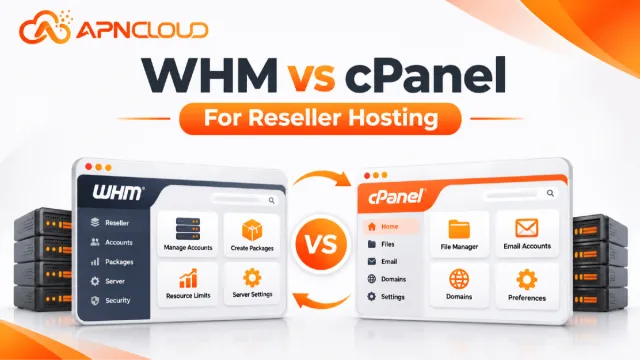
WHM vs cPanel Reseller Hosting: What's the Difference?
WHM and cPanel serve different but complementary purposes in reseller hosting. WHM helps resellers create hosting accounts, manage packages, and allocate resources, while cPanel allows customers to manage their individual websites. This comprehensive guide explains their differences, features, benefits, and practical applications to help beginners establish and manage a successful reseller hosting business.

Is Reseller Hosting Profitable? Pros, Cons & Potential
Is reseller hosting profitable for beginners and small businesses? Discover how reseller hosting works, what affects profit margins, the advantages and disadvantages, realistic financial examples, and practical steps for building a sustainable web hosting business.

How Much Does Reseller Hosting Cost in 2026?
Planning to start a web hosting business in 2026? Learn how much reseller hosting costs, what affects pricing, which hidden expenses to consider, and how to calculate potential profits. This beginner-friendly guide explains hosting packages, billing options, startup budgets, and practical ways to build a sustainable reseller hosting business with APNCloud.
Never miss a post
Fresh guides, product updates and hosting resources from the APNCloud team.