Best WordPress Hosting for Small Business Websites in 2026
Choosing the best WordPress hosting is an important step toward building a successful small business website. This comprehensive guide explains how to compare hosting plans, improve website performance, strengthen security, reduce unnecessary costs, and select a reliable WordPress hosting solution that supports your business growth in 2026.
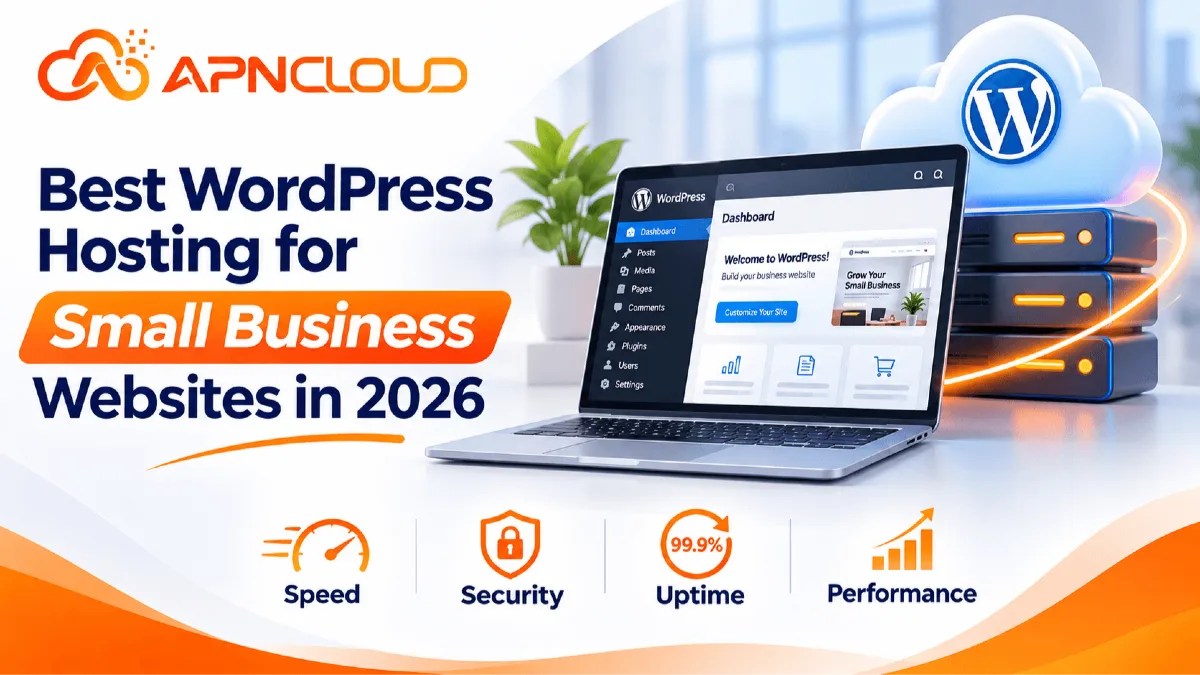
Building a professional online presence has become an essential part of running a successful small business in 2026. Whether you operate a local retail store, digital marketing agency, restaurant, consulting company, educational institution, or online shop, your website often serves as the first point of contact between your business and potential customers. A well-designed WordPress website can help you introduce your services, display products, generate leads, accept customer inquiries, and establish credibility in a competitive market. However, creating a successful website requires more than choosing an attractive theme or installing useful plugins. The quality of your hosting environment plays an important role in determining how reliably your website performs. Choosing the best WordPress hosting for your small business can help you deliver a smoother browsing experience, maintain website availability, protect important information, and prepare for future business growth. Many beginners make the mistake of selecting hosting based entirely on price without understanding the technical features included in their chosen package. Although affordability is important, particularly for startups and businesses operating with limited budgets, hosting should be evaluated according to its overall value.
A low-cost hosting package may be suitable for a simple business website, but it might become insufficient when your website begins receiving more visitors, processing online orders, or running resource-intensive applications. Similarly, purchasing an expensive hosting solution before your business actually needs additional resources can create unnecessary operating expenses. The goal is to find a hosting environment that balances affordability, performance, security, usability, and scalability. Modern WordPress web hosting solutions may include features such as NVMe storage, SSL certificates, automated backups, caching technologies, malware protection, website management tools, and technical assistance. However, these features vary between hosting providers and individual packages, making it important to review the actual specifications before purchasing a service. Small business owners should also understand the difference between traditional shared hosting, managed WordPress hosting, cloud hosting, and virtual private servers. Each hosting type serves different business requirements, and there is no single solution that is automatically suitable for every website. For example, a local accounting firm with a five-page informational website may have very different hosting requirements from an online clothing store that processes hundreds of customer interactions every day.
The accounting firm may prioritize affordability, professional email, and simple website management, while the online store may require stronger performance, reliable backups, additional processing power, and greater scalability. Businesses should also consider where their customers are located, how frequently their website content changes, and whether they expect significant traffic growth during seasonal campaigns. A reliable hosting environment should support these requirements without introducing unnecessary complexity.
At APNCloud, small business owners can explore hosting solutions according to their website requirements and available budgets. Before making a decision, it is helpful to understand what hosting resources mean, which features genuinely matter, and how different hosting environments influence everyday website operations. This comprehensive guide will explain how to evaluate WordPress hosting plans, identify essential hosting features, avoid common purchasing mistakes, and prepare your website for sustainable growth. Whether you are launching your first business website or considering moving an existing WordPress installation to a different hosting environment, the following sections will help you make a more informed decision based on practical business needs rather than promotional promises alone.
Why Choosing the Best WordPress Hosting Matters for Small Businesses
For a small business, a website is not simply an online collection of information; it is a digital asset that supports marketing, customer communication, brand recognition, and revenue generation. The hosting service behind that website directly influences how effectively it can perform these responsibilities. When potential customers visit a WordPress website, they expect pages to load smoothly, navigation to work correctly, and business information to remain accessible whenever they need it. If a website repeatedly experiences technical errors, slow loading times, or unexpected downtime, visitors may leave before learning about the products or services being offered. This can reduce the effectiveness of advertising campaigns and make it more difficult for businesses to convert website visitors into customers. Choosing the best WordPress hosting helps businesses establish a stronger technical foundation for their online operations. Website performance is one of the most important considerations because customers increasingly access websites through mobile devices and different internet connections.
A website that performs well on a fast office connection may still provide an uncomfortable experience for users accessing it through a slower mobile network. A suitable hosting environment, combined with proper website optimization, can help reduce these performance differences. Search engine optimization is another reason hosting deserves careful consideration. Although purchasing a premium hosting package does not automatically improve search rankings, website accessibility, loading performance, mobile usability, and overall user experience can contribute to a healthier SEO strategy. Businesses investing in content marketing should therefore ensure that their hosting environment can support their website without frequent interruptions. Security is equally important, especially when a website collects customer information through contact forms, registrations, appointment systems, or online shopping functionality. A suitable hosting provider should offer clear information about security features, backup procedures, SSL availability, and account protection. However, business owners must also recognize that website security is a shared responsibility.
Keeping WordPress, themes, and plugins updated remains essential, regardless of which hosting provider is selected. Another important consideration is business reputation. Imagine a potential customer discovering your company through a social media advertisement and clicking the website link only to encounter a server error. Even if your products or services are excellent, that customer may form a negative impression based on the website experience. Reliable hosting helps reduce the likelihood of infrastructure-related interruptions, although no hosting environment can guarantee complete protection against every technical problem. Scalability also matters because small businesses rarely remain exactly the same size throughout their operating life. A business may begin with a simple service website and eventually introduce online bookings, customer accounts, product catalogs, or an e-commerce store. Hosting plans that provide a clear upgrade path allow businesses to accommodate these changes without immediately rebuilding their entire infrastructure. Technical support is another valuable consideration for beginners who may not understand server configurations, database errors, or website migration procedures.
Access to knowledgeable assistance can reduce the time spent troubleshooting hosting-related problems and allow business owners to focus on their primary responsibilities. Finally, choosing suitable WordPress web hosting helps businesses manage their operating expenses more effectively. Rather than purchasing unnecessary infrastructure or repeatedly changing providers, businesses can identify a hosting package that meets their immediate requirements while allowing room for reasonable growth. By evaluating performance, security, reliability, support, and scalability together, small business owners can make hosting decisions that support long-term website development and sustainable digital operations.
Understanding the Different Types of WordPress Hosting
Before comparing WordPress hosting plans, small business owners should understand the different hosting environments available and how each option affects website management, performance, and operating costs. The term WordPress hosting describes a hosting environment capable of supporting the WordPress content management system, but individual providers may deliver this service through several different infrastructure models. Shared hosting is one of the most common starting points for beginners because it allows multiple hosting accounts to operate on the same physical server while maintaining separate account environments. This arrangement helps distribute infrastructure expenses among customers, making shared hosting an affordable option for informational websites, small company portfolios, personal blogs, and relatively lightweight business applications. However, shared hosting accounts normally operate within defined resource limits, including CPU usage, memory, storage, file counts, database resources, and concurrent processes. A website that repeatedly exceeds these limits may experience reduced performance or require an upgrade.
WordPress-optimized hosting is another option that typically uses server configurations, caching systems, and management features selected specifically for WordPress installations. Depending on the provider, this can include tools for website staging, automated installation, performance optimization, and simplified maintenance. Managed WordPress hosting goes further by including selected technical responsibilities within the hosting service. These responsibilities may involve WordPress updates, security monitoring, backup management, or performance-related assistance. However, the meaning of managed WordPress varies considerably between providers, so businesses should always confirm exactly which tasks are included and which remain their responsibility. Cloud hosting is another popular option, although the term can describe several different infrastructure arrangements. Some cloud hosting services provide flexible resource allocation and scalability, while others operate as conventional virtual servers hosted on cloud infrastructure. Businesses should evaluate the actual architecture and resource guarantees rather than assuming that a service is automatically faster simply because it includes the word cloud.
Virtual private server hosting, commonly known as VPS hosting, provides a more independent server environment with allocated computing resources and greater administrative control. VPS hosting can be useful for businesses running demanding WordPress websites, multiple applications, larger online stores, or custom software that requires additional server configuration. However, an unmanaged VPS requires technical knowledge because the customer is generally responsible for operating system maintenance, application configuration, updates, security, and backups. Managed VPS services can reduce some of these responsibilities, depending on the management agreement. Dedicated server hosting provides an entire physical server for an individual customer, making it appropriate for organizations with substantial infrastructure requirements, specialized applications, or workloads that justify exclusive hardware access. Most new small business websites do not require a dedicated server because the additional resources and operational expenses may exceed their immediate needs. Choosing between these hosting types becomes easier when you understand the relationship between website complexity and infrastructure requirements. A local bakery displaying its opening hours, product photographs, and contact information may operate comfortably on a suitable shared hosting plan.
A growing online retailer with numerous products, customer accounts, inventory integrations, and frequent transactions may benefit from WordPress-optimized hosting or a more powerful server environment. A software company operating a WordPress website alongside custom applications may eventually require a VPS. APNCloud's hosting documentation also recommends checking application requirements and plan-specific capabilities before selecting a hosting environment. The best WordPress hosting is therefore not necessarily the most expensive or technically advanced option, but the service that appropriately matches the website's workload, business objectives, management expectations, and available budget.
Essential Features to Look for in WordPress Web Hosting
Choosing reliable WordPress web hosting involves reviewing several features that collectively influence website performance, usability, security, and long-term maintenance. One of the first features to evaluate is storage technology. Hosting services using SSD or NVMe storage can offer faster storage operations than traditional mechanical hard drives, although actual website performance also depends on server configuration, database efficiency, available memory, and application optimization. Storage capacity should also match the website's expected requirements, including WordPress files, images, databases, email accounts, and temporary files. Businesses frequently underestimate how much storage their website may consume after adding product photographs, downloadable documents, and additional content. CPU and RAM are equally important because WordPress processes require computing resources to execute PHP code, communicate with databases, and generate website pages. A hosting plan with insufficient resources may struggle during periods of simultaneous activity, particularly when users interact with uncached pages, contact forms, shopping carts, or administrative tools. Another feature worth considering is caching technology. Page caching reduces the need to regenerate certain website pages for every visitor, while object caching can help reduce repeated database operations when supported by the hosting environment. Hosting configurations that integrate effectively with WordPress caching plugins can improve performance when properly configured.
However, caching should never be applied indiscriminately to private customer pages, shopping carts, or account-specific information. SSL certificates are another essential consideration because HTTPS protects information transmitted between a visitor's browser and the website. A suitable hosting service should provide a straightforward method for installing and renewing SSL certificates. Automated backups are also particularly valuable for small businesses because unexpected plugin conflicts, accidental file deletion, failed updates, or security incidents can affect website availability. Before selecting a hosting plan, confirm how frequently backups are created, how long they are retained, whether databases and website files are included, and whether restoration assistance is available. A daily backup schedule may be sufficient for some informational websites, while active online stores may require more frequent recovery points. Website owners should also maintain an independent backup strategy rather than depending entirely on their hosting provider. Server location is another factor that can influence response times because geographic distance affects network communication. Businesses serving customers primarily within a particular country or region may benefit from hosting infrastructure located closer to that audience.
A content delivery network can also help distribute eligible static website resources across different geographic locations. Technical support should be evaluated alongside infrastructure features because beginners may occasionally need assistance understanding hosting settings, resolving connection problems, or restoring files. Businesses should review available support channels, operating hours, and the scope of technical assistance before purchasing. The ability to manage domain names, databases, SSL certificates, professional email accounts, and website files through an accessible control panel can also simplify everyday administration. Additional features such as staging environments, recent PHP versions, resource monitoring, malware scanning, and migration assistance may offer further value depending on the website's requirements. APNCloud describes NVMe storage, SSL, automated backup options, WordPress installation tools, and technical support among its hosting offerings, with specific capabilities depending on the selected service. Rather than purchasing a package based on the length of its feature list alone, small business owners should identify which features are genuinely useful for their operations. A thoughtfully selected hosting environment provides a practical foundation for website development while helping reduce unnecessary expenses and management complexity.
How to Choose the Best WordPress Hosting for Your Business
Selecting the best WordPress hosting becomes significantly easier when business owners follow a structured evaluation process instead of relying entirely on advertisements, promotional prices, or recommendations designed for different types of websites. Begin by identifying the purpose of your website. A company introducing its services and collecting occasional customer inquiries will generally have different infrastructure requirements from an online store handling product searches, customer accounts, and payment-related processes. Next, estimate the amount of content your website will contain during its first year, including photographs, landing pages, blog articles, product descriptions, and downloadable files. Consider whether professional email accounts will also share the hosting environment because accumulated email messages and attachments can consume storage resources over time. After identifying these requirements, examine your expected audience and traffic patterns.
Although beginners may not have existing visitor statistics, businesses can use reasonable assumptions based on marketing activities, customer reach, advertising budgets, and planned campaigns. Existing website owners should review analytics data and server resource reports to identify current usage instead of relying on visitor estimates alone. The number of simultaneous requests, page complexity, caching configuration, and background tasks can be more important for resource consumption than total monthly visitor counts. Once you understand the website workload, compare available hosting types and identify those capable of supporting the necessary applications. Check whether the hosting environment provides supported PHP versions, compatible databases, SSL certificates, sufficient storage, suitable resource limits, and the management features you expect to use. Review the hosting provider's upgrade options because a website that begins with modest requirements may eventually need additional resources. A clear upgrade path can reduce the administrative workload associated with moving to an entirely different provider. Pricing should be evaluated according to the total cost of ownership rather than the initial advertised monthly rate. Some hosting packages offer substantial discounts for longer billing cycles, while others may renew at different prices after the initial promotional period. Confirm whether domain registration, professional email, premium SSL certificates, backups, migration assistance, or additional management services involve separate charges.
Support quality is another important consideration, especially for business owners without dedicated technical staff. Before purchasing, consider asking the provider a practical question about website migration, backup restoration, or WordPress compatibility to understand the scope and clarity of their assistance. You should also review the provider's service terms, refund conditions, acceptable usage policies, and resource restrictions. These documents explain the conditions that apply when websites exceed their allocated resources or when customers request cancellation or technical assistance. Security features should be evaluated carefully because installing WordPress in a reliable hosting environment is only one component of maintaining a secure business website. Confirm that the hosting plan supports HTTPS, secure account access, software maintenance, and appropriate backup options. Businesses handling sensitive customer data should also assess relevant privacy and compliance requirements before collecting information online.
Finally, compare all shortlisted hosting packages against your actual priorities rather than selecting the package with the greatest number of advertised features. A useful starting point is APNCloud's hosting service selection guide, which explains how different services correspond to different application requirements. The final decision should reflect the website's immediate needs, expected growth, technical management capacity, and operating budget. By following this structured process, businesses can avoid unnecessary infrastructure expenses while establishing a hosting environment that supports dependable website functionality and future development.
Shared Hosting vs Managed WordPress vs Cloud VPS Hosting
Understanding the practical differences between shared hosting, managed WordPress, and cloud VPS hosting can help small businesses select infrastructure that matches their operational requirements without paying for unnecessary technical capabilities. Shared hosting is generally designed to simplify website management by providing a prepared server environment where customers can install WordPress, create databases, configure email accounts, and manage files without maintaining an entire operating system. This makes shared hosting attractive for new businesses that need a professional website but do not employ dedicated technical staff. Its main limitation is that resources are allocated within a shared infrastructure environment, and individual accounts must operate within the provider's usage restrictions. A lightweight WordPress website with optimized images, appropriate caching, and a limited number of plugins may perform well on shared hosting. However, websites using demanding applications, frequent database operations, or numerous simultaneous dynamic requests may eventually require more resources.
Managed WordPress hosting focuses on simplifying the technical responsibilities associated with maintaining a WordPress installation. Depending on the selected service, customers may receive assistance with core software updates, caching configuration, security monitoring, backup processes, and performance-related troubleshooting. This arrangement can be particularly useful for business owners who prefer spending their time on marketing, customer service, and product development rather than technical administration. Nevertheless, managed WordPress hosting does not necessarily mean that every website-related task is included. Custom theme development, third-party plugin debugging, content creation, and advanced application integrations may fall outside the standard service agreement. Businesses should therefore review the exact scope of management before purchasing. Cloud VPS hosting provides a different balance between flexibility and responsibility by offering a virtual server environment with allocated processing power, memory, storage, and administrative access. VPS hosting allows greater control over server software, caching services, database configuration, and application deployment, making it useful for businesses with growing technical requirements.
However, additional control introduces additional maintenance responsibilities. An unmanaged VPS requires someone to configure the server, install software, apply security updates, monitor resource usage, and establish backup procedures. Businesses without appropriate technical expertise should consider these responsibilities carefully rather than assuming that moving to a VPS will automatically solve every website performance problem. A poorly configured virtual server can perform worse than a properly optimized shared hosting environment. Managed VPS hosting combines greater infrastructure control with selected server administration services, making it an option for businesses that need additional resources but prefer assistance with server maintenance. APNCloud's documentation distinguishes standard unmanaged VPS services from managed services, with customers retaining responsibility for tasks outside their purchased management scope. When comparing these hosting environments, consider both the financial expense and the time required to maintain the website. A small consultancy operating a simple WordPress website may achieve its objectives through shared hosting, while a busy appointment-based business might benefit from managed WordPress services.
An established online retailer running multiple integrations and demanding applications may eventually require a VPS or managed VPS environment. The appropriate hosting decision can also change as the business develops, so selecting an upgrade-friendly provider is often more practical than purchasing advanced infrastructure immediately. Businesses should monitor their website's actual resource consumption and performance before deciding whether an upgrade is necessary. This evidence-based approach helps distinguish problems caused by hosting limitations from those created by inefficient themes, oversized media files, unsuitable plugins, or incorrect website settings. Ultimately, the best hosting environment balances website performance, resource availability, technical responsibilities, and long-term business requirements without introducing unnecessary costs or operational complexity.
WordPress Hosting Comparison Table
Feature | Shared Hosting | Managed WordPress | Cloud VPS |
|---|---|---|---|
Beginner-friendly | High | High | Depends on management |
Relative cost | Low | Moderate | Moderate to high |
Server administration | Provider | Provider | Customer or provider |
WordPress optimization | Plan-dependent | WordPress-focused | Configuration-dependent |
Resource allocation | Account limits | Plan-specific | Allocated virtual resources |
Administrative control | Limited | Limited to moderate | High |
Scalability | Moderate | Plan-dependent | High |
Maintenance requirements | Low | Low to moderate | Higher if unmanaged |
Suitable for | Small business websites | Businesses seeking easier maintenance | Resource-intensive websites |
Technical knowledge | Basic | Basic | Intermediate to advanced if unmanaged |
Recommended WordPress Hosting for Different Small Business Websites
Not every small business website requires the same hosting environment, which is why choosing a package according to the business model is often more effective than searching for a universally superior hosting plan. A local service business, such as a cleaning company, repair service, photography studio, or consultancy, typically needs a website that introduces its services, displays contact information, presents customer testimonials, and allows visitors to submit inquiries. These websites usually have relatively straightforward technical requirements, making a suitable shared or entry-level WordPress hosting environment a practical starting point. Businesses that publish articles regularly may require additional storage and processing resources as their content library expands. A professional blog containing hundreds of articles, high-resolution photographs, and interactive elements can gradually place greater demands on database operations and storage capacity. In these situations, WordPress-optimized hosting with suitable caching and backup capabilities can provide a useful foundation.
Creative businesses, including graphic design agencies, architectural firms, and photography companies, should pay particular attention to media optimization because large photographs and videos can significantly increase page loading requirements. Instead of immediately purchasing a more expensive hosting package, these businesses should first optimize images, use appropriately sized media files, and consider external video hosting where suitable. Appointment-based businesses may require additional functionality through booking plugins, automated notifications, calendar integrations, and customer account systems. Although an appointment website may appear simple, its dynamic features can increase processing requirements, particularly when multiple customers interact with the booking system simultaneously. Hosting decisions for these businesses should consider database performance, reliable backups, and compatibility with the selected booking software. E-commerce websites built with WooCommerce have another set of requirements because they manage products, inventory information, shopping carts, customer sessions, and order records. Many of these operations cannot benefit from full-page caching in the same way that public informational pages can.
Consequently, online stores may need more computing resources and a more carefully configured hosting environment than conventional business websites. A small store with a limited product catalog may operate on suitable WordPress or e-commerce hosting, while a growing retailer with extensive products and third-party integrations may need a stronger package. Digital marketing agencies managing several client websites should evaluate the number of websites supported, available storage, database restrictions, account separation, and backup management. Hosting multiple unrelated websites inside one account can introduce operational and security considerations, so businesses should evaluate whether separate hosting accounts are appropriate. Reseller hosting may be relevant for agencies that want to provide independently managed hosting accounts to their clients. Educational businesses offering course content, membership functionality, and student dashboards may also require additional resources because authenticated user activity is often more resource-intensive than anonymous browsing. For these businesses, managed WordPress hosting or a suitably configured VPS may become useful as their platforms develop.
Companies operating internationally should additionally consider their audience distribution, network latency, and content delivery requirements. A content delivery network may help serve static resources closer to international visitors, while selecting an appropriate server location can improve communication with the origin server. Regardless of business type, website owners should avoid assuming that the largest available package is always the best WordPress hosting solution. Begin with an environment that reasonably supports your applications, monitor performance over time, and increase resources when measurable requirements justify the expense. This approach allows small businesses to allocate their budgets effectively while maintaining sufficient flexibility to accommodate changing customer expectations, website functionality, and digital growth opportunities.
Hosting Recommendations by Business Type
Business Type | Suggested Hosting Environment |
|---|---|
Local service business | Entry-level shared or WordPress hosting |
Startup website | Shared or WordPress hosting |
Professional blog | WordPress-optimized hosting |
Photography website | WordPress hosting with sufficient storage |
Small WooCommerce store | WordPress or e-commerce hosting |
Growing online store | Higher-resource WordPress hosting or managed VPS |
Digital marketing agency | Multi-website or reseller hosting |
Membership website | Higher-resource managed WordPress or VPS |
Established business platform | Managed cloud VPS where justified |
Step-by-Step Guide to Setting Up WordPress Hosting
Setting up a WordPress website becomes more manageable when beginners follow a clear sequence that covers hosting selection, domain configuration, software installation, security, and performance testing. The objective is to establish a functional website that can be maintained responsibly as the business grows.
Step 1: Visit the Hosting Provider
Begin by visiting APNCloud.com and reviewing the available hosting categories. Identify whether shared hosting, WordPress hosting, or a more advanced infrastructure service matches your website requirements. Avoid selecting a package based entirely on promotional pricing without examining its actual capabilities.
Step 2: Choose a Suitable WordPress Hosting Plan
Compare available WordPress hosting plans according to storage capacity, CPU allocation, RAM, website limits, backup options, SSL availability, and technical support. Consider how many websites you intend to operate and whether your business requires professional email accounts or additional applications.
Step 3: Register or Connect Your Domain Name
Choose a domain name that represents your business clearly and is reasonably easy for customers to remember. If you already own a domain, you can connect it to the new hosting environment using the DNS configuration instructions provided by your hosting company. Keep your domain registration and renewal information accurate.
Step 4: Create Your Hosting Account
Complete the account registration process using accurate business and contact information. Review the selected billing cycle, service terms, renewal prices, and package features before completing your order. Once the hosting service is activated, securely store the account access information.
Step 5: Access the APNCloud Control Panel
Log in to the APNCloud Control Panel using the information provided with your hosting service. Familiarize yourself with the available tools for managing website files, email accounts, databases, domain settings, SSL certificates, and backup functionality. The exact tools may vary depending on your selected hosting plan.
Step 6: Install WordPress
If WordPress is not already installed, use the available application installation tool to create a new WordPress installation. Select the correct domain, configure the website title, choose a strong administrator password, and provide a valid administrative email address. Avoid using predictable administrator credentials.
Step 7: Configure SSL and HTTPS
Confirm that an SSL certificate has been installed successfully and that the website loads using HTTPS. Update WordPress settings where necessary and check that images, scripts, and internal pages do not generate mixed-content warnings.
Step 8: Choose a Professional WordPress Theme
Select a responsive, actively maintained theme that matches your business requirements. Prioritize usability, accessibility, mobile responsiveness, and reasonable performance rather than selecting a theme solely because it contains numerous visual effects.
Step 9: Install Essential WordPress Plugins
Install only the plugins required for your website functionality. These may include tools for search engine optimization, contact forms, security, caching, and backups. Check compatibility, maintenance history, and whether similar functions are already provided by another installed plugin.
Step 10: Create Essential Business Pages
Prepare the homepage, About Us page, service or product pages, contact page, and relevant policy documents. Ensure that your business contact details, service descriptions, and customer-facing information are accurate and easy to locate.
Step 11: Configure Backups and Website Security
Review automated backup settings, enable available account protection features, and establish a regular maintenance schedule. Use strong passwords, restrict unnecessary administrator access, and keep the WordPress installation updated.
Step 12: Test and Launch Your Website
Check website loading performance, mobile navigation, contact forms, page links, SSL configuration, and any purchasing or booking functionality. Confirm that important pages work correctly before promoting the website through advertising, social media, or search engine marketing. Continue monitoring the website after launch and address technical issues as they arise.
How to Improve WordPress Performance for a Small Business
Purchasing reliable WordPress hosting provides an important technical foundation, but achieving consistently good WordPress performance also requires responsible website configuration and ongoing optimization. One of the most effective starting points is selecting a lightweight theme that delivers the required design without introducing excessive scripts, animations, or unnecessary functionality. Modern WordPress themes can offer numerous customization options, but enabling every available feature can increase page complexity and affect loading performance. Businesses should prioritize responsive layouts, readable typography, accessible navigation, and practical page structures. Image optimization is another important consideration because photographs frequently represent a substantial portion of a website's downloaded content. Before uploading images, resize them according to their intended display dimensions and use appropriate compression.
Modern image formats such as WebP or AVIF can help reduce file sizes when supported by the website's configuration and visitor browsers. Images should also include meaningful alternative text when appropriate to support accessibility. Caching can provide considerable benefits for public WordPress pages because it reduces repeated server-side processing. A properly configured caching system can serve previously generated page content rather than requiring WordPress to rebuild the same page for every anonymous visitor. However, caching configurations must account for dynamic functionality, particularly shopping carts, checkout pages, customer dashboards, and other personalized content. Businesses should test these features carefully after enabling caching to ensure that private or frequently changing information is not served incorrectly. Plugin management also influences performance. Each plugin introduces software that may execute additional code, load scripts, perform database operations, or communicate with external services. Installing several plugins that perform similar tasks can create unnecessary processing overhead and compatibility problems.
Regularly review installed plugins and remove those that are no longer required, while confirming that removal will not affect essential website functionality. Database maintenance can also help websites that accumulate substantial content revisions, expired temporary records, or unnecessary application data. Database optimization should be performed carefully, preferably after creating a reliable backup, because indiscriminate deletion can damage important website records. A content delivery network may improve the delivery of eligible static files to geographically distributed audiences, particularly for businesses that publish media-rich content or serve international customers. However, a CDN cannot independently resolve every performance issue, especially when delays originate from uncached application processing or inefficient database queries. Hosting resource monitoring provides another valuable source of information. Examine CPU usage, memory consumption, storage utilization, and application errors to identify recurring patterns. If the website regularly reaches its hosting resource limits despite appropriate optimization, an upgrade may be justified.
Conversely, if resource usage remains low while individual pages load slowly, investigate page design, third-party scripts, database queries, or network-related issues before purchasing more infrastructure. Performance testing tools can help identify slow-loading components and provide measurements such as Largest Contentful Paint, Interaction to Next Paint, and Cumulative Layout Shift. These metrics should be interpreted alongside real user experiences instead of treating a single performance score as the only measure of website quality. Businesses should test important pages across mobile and desktop devices and review their performance periodically, especially after major design changes or software updates. A well-maintained combination of suitable hosting, efficient website design, responsible plugin selection, and thoughtful caching can help small businesses deliver a more dependable experience without assuming that every performance issue requires a more expensive hosting package.
Common Mistakes to Avoid When Buying WordPress Hosting
Many small business owners encounter hosting-related difficulties because they make purchasing decisions without fully understanding their website requirements or the responsibilities associated with maintaining a WordPress installation. One of the most common mistakes is selecting hosting solely because it offers the lowest advertised price. While affordable hosting can provide excellent value for suitable websites, businesses should examine resource limits, renewal conditions, included services, backup options, and technical support before deciding whether a package meets their expectations. Another mistake is purchasing excessive infrastructure at the beginning of a project. A business launching a simple informational website may not need an advanced VPS or dedicated server, particularly when a properly configured shared hosting environment can support its immediate requirements. Spending unnecessarily on infrastructure can reduce the budget available for website content, marketing, customer acquisition, and other important business activities.
Ignoring backup policies is another frequent problem. Some customers assume that their hosting provider maintains unlimited backups or can recover any previous version of a website indefinitely. Backup frequency, retention periods, restoration procedures, and included services vary between providers and packages. Business owners should understand these conditions and maintain independent copies of important website information. Failing to evaluate renewal costs can also create unexpected expenses. Hosting packages may advertise introductory discounts, while domain registration and additional services can have different renewal conditions. Reviewing the complete billing structure before purchasing helps businesses prepare a more accurate annual operating budget. Another important mistake involves overlooking software compatibility. WordPress requires a suitable PHP and database environment, while certain plugins may require additional PHP extensions, specific software versions, or increased processing limits.
Before purchasing hosting for an existing website, confirm that the necessary technical requirements are supported. Businesses should also avoid installing excessive plugins simply because they are available for free. Every additional plugin introduces potential maintenance requirements, compatibility considerations, and security risks. Similarly, using abandoned themes or software obtained from untrusted sources can expose websites to unnecessary technical problems. Poor password management remains another significant concern. Reusing credentials across multiple services, sharing administrator accounts unnecessarily, and failing to restrict privileged access can increase the likelihood of unauthorized account activity. Hosting security features do not replace responsible website administration. Choosing an inappropriate server location can also affect user experience, especially when website visitors are geographically concentrated far from the hosting infrastructure. Businesses should consider available locations alongside actual network quality and content delivery requirements. Another mistake is assuming that unmetered bandwidth means unlimited computing resources.
Hosting plans can still enforce CPU, RAM, storage, process, and file-count restrictions even when they do not meter ordinary bandwidth usage in the same way. Businesses should read the applicable usage conditions rather than interpreting marketing terminology as unrestricted infrastructure access. Finally, many website owners wait until serious performance problems occur before monitoring their hosting resources. Regularly checking website functionality, error logs, backup status, and resource consumption can help identify emerging problems before they become more disruptive. When hosting limitations are confirmed, upgrading may be appropriate, but businesses should first investigate inefficient website configurations and unnecessary background activity. Avoiding these common mistakes makes it easier to select a hosting environment that provides appropriate value and helps maintain a dependable WordPress website throughout its operating life.
Why Consider APNCloud for Small Business WordPress Hosting?
Small businesses searching for reliable WordPress web hosting should consider providers that offer a practical balance between infrastructure features, management simplicity, scalability, and customer assistance. APNCloud provides hosting services designed to accommodate different website and infrastructure requirements, allowing businesses to explore solutions according to their development stage. For beginners, an accessible hosting control panel and WordPress installation tools can simplify the process of launching a new website without requiring extensive server administration knowledge. Modern storage technology, appropriate computing resources, and supported application environments provide a foundation for running business websites when the selected package matches the workload. APNCloud also advertises SSL certificates, backup options, and technical support across its hosting offerings, which can help businesses establish and maintain their online presence.
Individual hosting packages should always be reviewed because storage capacities, processing resources, website limits, email functionality, and management capabilities vary between services. Businesses interested in WordPress-specific features should confirm the availability of caching tools, staging functionality, automated updates, and other optimization capabilities before completing an order. Another consideration is the ability to expand infrastructure as website requirements change. A business may initially launch a straightforward company website and later introduce additional services, marketing landing pages, appointment functionality, or an online store. Having access to different hosting categories gives businesses the opportunity to evaluate upgrades without immediately committing to infrastructure designed for substantially larger workloads.
Companies that eventually require greater server control or additional computing resources can also explore APNCloud Managed VPS Hosting and determine whether the available management services match their technical requirements. However, businesses should avoid moving to a VPS simply because it represents a more advanced hosting category. Such an upgrade should be supported by practical application requirements, sustained resource consumption, or the need for additional server configuration. Website security and maintenance should also remain important priorities after choosing any hosting service. Businesses should maintain updated WordPress installations, verify backup availability, use secure credentials, and monitor important website functionality. APNCloud's hosting options can form part of this broader website management strategy, but no hosting package can eliminate every possible software vulnerability, plugin conflict, or application-related performance problem. Technical support can also be valuable when beginners encounter hosting configuration questions or require assistance understanding the features available within their account.
Reviewing the APNCloud Hosting FAQ can help business owners understand common questions related to hosting services, WordPress functionality, and account management before making a purchasing decision. Businesses should contact the provider when a specific feature is essential but its availability is unclear. Comparing hosting packages according to actual business requirements is particularly important for companies operating multiple websites or using specialized WordPress plugins. Selecting suitable resources at the beginning can reduce unnecessary maintenance difficulties and help businesses prepare for future website development. Ultimately, APNCloud is an option worth evaluating for businesses seeking hosting services that range from entry-level website environments to more advanced server infrastructure. The most appropriate decision depends on the website's functionality, expected resource consumption, customer audience, available budget, and preferred level of technical responsibility. By reviewing current package specifications and service conditions carefully, business owners can identify a hosting environment that provides useful features without purchasing unnecessary resources.
Frequently Asked Questions About WordPress Hosting
1. What is the best WordPress hosting for a small business?
The best WordPress hosting for a small business is a service that provides suitable performance, security, backup functionality, technical support, and scalability at a reasonable cost. Shared or WordPress-optimized hosting can be suitable for many small business websites, while demanding websites may require more advanced infrastructure.
2. Is shared hosting good enough for WordPress?
Yes. Shared hosting can be suitable for small business websites, blogs, portfolios, and lightweight online stores when the package provides adequate resources and supports the website's technical requirements.
3. What is managed WordPress hosting?
Managed WordPress hosting is a service that includes selected WordPress maintenance and optimization responsibilities. These may include software updates, security monitoring, backups, and performance assistance, depending on the provider and selected package.
4. How much RAM does a WordPress website need?
A lightweight WordPress website may operate comfortably within a hosting account offering 1–2 GB of RAM. More complex websites may require additional memory. Actual requirements depend on themes, plugins, traffic, caching, and concurrent application activity.
5. Does WordPress hosting improve SEO?
Suitable hosting can support SEO by helping improve website availability, response times, and user experience. However, hosting alone does not guarantee higher search engine rankings. Content quality, technical SEO, relevance, and website usability remain important.
6. Is an SSL certificate necessary for WordPress?
Yes. An SSL certificate enables HTTPS connections, helping protect information transmitted between a website and its visitors. HTTPS is particularly important for websites that include login forms, customer inquiries, registrations, or online shopping functionality.
7. Can I host multiple WordPress websites on one hosting plan?
Yes, provided the selected hosting package supports multiple websites and offers sufficient resources. Always check website limits, database restrictions, storage capacity, and account security arrangements before hosting multiple installations.
8. Should a small business choose monthly or annual hosting?
Monthly hosting offers greater billing flexibility, while annual or longer billing cycles may provide lower effective monthly costs. Businesses should compare the complete pricing structure, renewal conditions, and cancellation policies before choosing a billing period.
9. When should I upgrade my WordPress hosting?
Consider upgrading when resource monitoring shows sustained CPU or memory limitations, storage capacity is becoming insufficient, or your website requires functionality unavailable within the existing hosting environment. Investigate website optimization opportunities before upgrading solely because of slow loading times.
10. Can I migrate my existing WordPress website to APNCloud?
APNCloud offers website migration assistance with eligible hosting services. Contact the support team to confirm migration eligibility, requirements, and the process applicable to your website.
11. Is WordPress hosting suitable for WooCommerce?
Yes. WordPress hosting can support WooCommerce when it provides sufficient computing resources, compatible software, suitable database performance, and appropriate security features. Larger online stores may require higher-resource hosting.
12. Do I need technical knowledge to manage WordPress hosting?
Basic WordPress hosting can generally be managed without advanced server administration experience. Accessible control panels, installation tools, and managed services can simplify many tasks. Unmanaged VPS environments typically require greater technical expertise.
Find the Right WordPress Hosting for Your Small Business
Choosing the best WordPress hosting for small business websites in 2026 requires understanding how hosting infrastructure, application configuration, security, and ongoing maintenance work together to support business operations. While hosting providers offer a wide range of packages and technical features, the most valuable solution is one that meets the actual needs of your website without introducing unnecessary expenses or management responsibilities. Small businesses launching their first WordPress website should begin by identifying their website purpose, expected content requirements, customer audience, and available budget. A straightforward informational website may operate effectively within a suitable shared hosting environment, while businesses running more demanding applications may benefit from WordPress-optimized hosting, managed services, or additional server resources.
Instead of selecting hosting entirely according to promotional pricing or advertised storage capacity, evaluate the complete service, including computing resources, backup arrangements, SSL availability, technical assistance, renewal costs, and upgrade opportunities. Businesses should also remember that hosting performance is closely connected to website configuration. A lightweight theme, optimized images, carefully selected plugins, and correctly configured caching can help improve website responsiveness without necessarily requiring more expensive infrastructure. Maintaining WordPress software, monitoring website resources, and reviewing backup procedures are equally important because even a powerful hosting environment cannot compensate for every application-related problem. As your business grows, website requirements may change alongside customer expectations and new functionality. Regularly evaluating resource consumption and user experience allows you to identify when optimization or an infrastructure upgrade is appropriate. This gradual approach can help businesses maintain control over their operating expenses while preparing for wider digital opportunities.
Security should remain a continuous responsibility throughout this process. Use supported software, protect administrative access, maintain independent copies of important information, and investigate unexpected application behavior promptly. Businesses collecting customer information should also ensure that their website practices reflect applicable privacy and security requirements. When comparing hosting providers, look beyond general marketing statements and examine the features, limitations, and support responsibilities associated with each specific package. A provider offering several infrastructure categories may be useful for businesses that expect their websites to expand over time, but every upgrade should be justified by practical needs. APNCloud offers multiple hosting environments that small businesses can evaluate according to their WordPress website requirements, from beginner-friendly services to more advanced server configurations. By reviewing available packages and discussing specialized requirements with the support team where necessary, business owners can make better-informed infrastructure decisions.
The objective is not simply to purchase web hosting but to establish a dependable foundation for digital marketing, customer communication, and sustainable website development. A well-planned hosting strategy can reduce avoidable technical difficulties, support better website experiences, and provide the flexibility businesses need as their online operations evolve. Whether you are creating your first company website, improving an existing WordPress installation, launching an online store, or preparing for future expansion, selecting an appropriate hosting environment is an important practical step. Begin with your current requirements, prioritize essential features, and review performance regularly. Through responsible planning and ongoing maintenance, your WordPress website can become a valuable part of your business's long-term digital strategy.
Keep reading
Related articles
What Is WordPress Hosting? A Complete Guide for Beginners
WordPress hosting is a web hosting service designed to support the performance, security, reliability, and management of WordPress websites. This comprehensive beginner's guide explains how WordPress hosting works, its different types, essential features, benefits, pricing considerations, and the steps to choose the right hosting plan for your website or online business.
Web Hosting BD – How to Choose the Right Hosting Provider
Discover how to choose the best web hosting BD provider. Compare hosting speed, security, uptime, pricing, support, and features for your website.
How to Migrate a Website to a New Host Without Downtime
Learn how to migrate website to new host without downtime. Follow practical steps for backups, files, databases, DNS, testing, email, and final setup.
Never miss a post
Fresh guides, product updates and hosting resources from the APNCloud team.